

 mosesknows8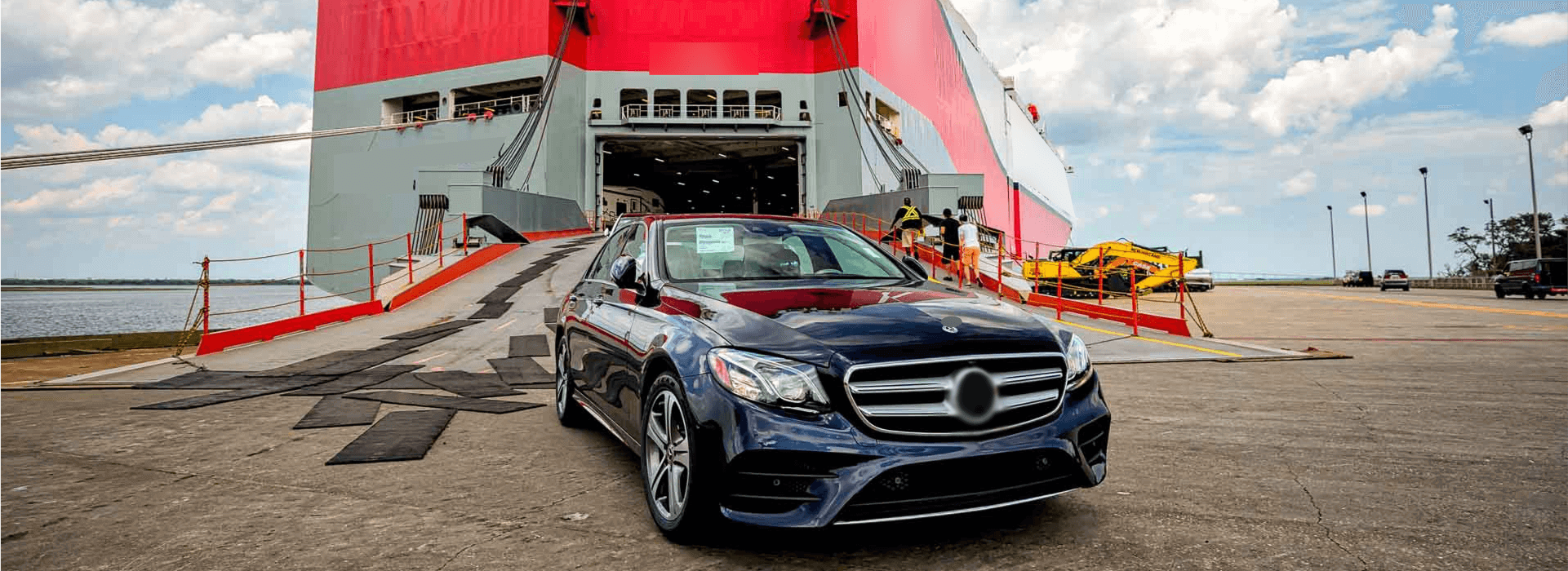
Buying a car from the USA and shipping it to Nigeria has become one of the smartest financial decisions for Nigerians seeking quality, durability, and long-term value. In 2025, more buyers are skipping overpriced and unreliable local car markets and choosing the United States as their trusted source. This complete guide walks you through everything you need to know—how the process works, what it costs, the safest way to buy, how shipping works, clearing fees, and how to avoid scams. If you’re planning to buy a car from the USA and bring it into Nigeria, this is the only guide you need.
For many Nigerians, U.S. vehicles offer unmatched advantages. Cars in America are well-maintained due to strict driving laws, reliable service culture, and detailed history records. Buyers can verify mileage, accident records, ownership history, and service logs before paying a single dollar. Beyond the quality, the pricing is also significantly better. A car that costs ₦18 million locally might cost ₦11–13 million when sourced directly from the U.S., even after shipping and clearing. With inflation and rising car prices in Nigeria, importing from the USA remains the most cost-effective option.
The first step in buying a car from the USA to Nigeria is choosing the right vehicle. Some cars simply perform better on Nigerian roads, and others retain their value more than the rest. In 2025, the most popular models include the Toyota Camry, Toyota Corolla, Toyota Highlander, Lexus RX350, Honda Accord, Mercedes-Benz C300, Ford Explorer, Hyundai Sonata, and several SUVs from Toyota and Lexus. When selecting a car, Nigerians often consider fuel efficiency, spare parts availability, resale value, and durability. Cars with higher ground clearance and strong suspension systems tend to do better in cities like Lagos, Abuja, and Port Harcourt, where road conditions can vary significantly.
Once you decide on the model you want, the next major step is verifying the car’s history. A proper U.S. dealer should provide a Carfax or AutoCheck report showing accident records, mileage accuracy, auction grades, service history, title status, and ownership details. This step cannot be skipped because it protects you from buying a car that was flooded, badly wrecked, or stolen. Cars with “clean titles” generally offer higher quality and fewer risks than salvage or rebuilt titles, although some buyers choose salvage cars to save money. A reputable dealer should be able to inspect vehicles in person or through trusted inspectors to verify true condition.
Purchasing the car safely is the most important part of the entire process. Thousands of Nigerians have fallen victim to international car purchase scams—fake dealers, fake auction listings, fake shipper contacts, and even fake clearing agents. To avoid this, always work with a verified U.S.-based auto dealer who has a real business address, documented track record, U.S. phone number, and proper business registration. A trustworthy dealer should guide you through auction bidding, send real-time videos and pictures of the car, provide receipts, and offer written agreements before payment is made. Transparency is everything. A professional dealer also handles the entire process—including purchase, inspection, shipping, paperwork, and tracking—so you never have to worry about what’s happening behind the scenes.
After purchasing the vehicle, the next phase is shipping. There are two standard shipping methods from the USA to Nigeria: Roll-On Roll-Off (RoRo) shipping and container shipping. RoRo is the most popular because it is cheaper and efficient—your car is simply driven onto the ship and secured. Container shipping is more expensive, but it offers higher security and is ideal for luxury cars or customers shipping multiple vehicles together. Major departure ports include Houston, New Jersey, Baltimore, Savannah, and California, depending on where the car was purchased. Shipping to Lagos or Tin Can Island typically takes between 4 to 6 weeks. Once the car arrives in Nigeria, your clearing agent takes over.
Clearing and customs fees in Nigeria depend on the car’s year, model, engine size, and customs valuation system. While the government adjusts customs tariffs from time to time, most clearing fees fall within predictable ranges. For example, clearing a Toyota Corolla may cost between ₦900,000 and ₦1.4 million, while a Toyota Camry may fall between ₦1.2 million and ₦1.8 million. SUVs and luxury vehicles often have higher clearing costs, with Lexus RX models ranging from ₦2.5 million to ₦3.5 million depending on year and valuation. A professional clearing agent should manage documentation, duty payments, inspections, and release procedures to ensure you avoid unnecessary delays or penalties.
Once the car is cleared, it can be transported to any city in Nigeria—Lagos, Abuja, Port Harcourt, Enugu, Benin, Asaba, Kano, Kaduna, or anywhere else. Many professional importation companies offer door-to-door delivery. When choosing a dealer, ensure they provide tracking updates and communicate regularly during every phase (purchase, shipping, arrival, clearing, and delivery). The entire process from purchase to delivery typically takes 6–8 weeks, depending on shipping timelines and clearing speed.
One of the most important parts of buying a car from the USA is understanding the total cost. The complete formula for calculating your total landed cost in Nigeria is: Car Purchase Price + Auction Fees + Dealer Fees + Shipping Cost + Clearing Fees. While each car is different, most Toyota and Honda sedans land between $7,500 and $14,000 total. Lexus SUVs and Mercedes-Benz models generally land between $12,000 and $22,000 depending on condition and year. Knowing your budget helps your dealer source the best options without wasting time.
Many Nigerians make avoidable mistakes during the buying process. The most common mistakes include buying cars without history reports, sending money to unverified dealers, choosing cars with expensive spare parts, ignoring vehicle inspection videos, choosing the wrong shipping method, and using random clearing agents who inflate prices. Working with a trusted U.S.-based dealer prevents nearly all these issues and saves you time, money, and stress.
If you want reliability, honesty, transparency, and smooth processing from start to finish, choosing the right company matters. A great U.S.-to-Nigeria car dealer should inspect the car, provide verified history reports, manage auction bidding, handle purchase and paperwork, secure the shipping, offer weekly tracking updates, manage clearing through trusted agents, and deliver the car safely. No stress, no guesswork, no hidden fees—just a clean, trustworthy process.
Buying a car from the USA to Nigeria in 2025 is simple when you work with professionals who understand both countries’ markets. Whether you are buying a Toyota, Lexus, Honda, Mercedes, or any other brand, the right partner can save you millions of naira and deliver a far better car than what you’ll find locally. If you’re ready to begin, simply provide your desired car details—year, model, mileage preference, and budget—and we will help you find the perfect match and guide you step-by-step until the car reaches your doorstep.